
Marine Protected Areas and Ocean Sustainability
A Marine Protected Area (MPA) is a designated section of the ocean or body of water where human activities are limited or restricted for the purpose of protecting the ecosystem within it. Examples include fishing, drilling, or development. Governments often work with conservation organizations to determine the MPA’s specific boundaries. Governments may consider protecting an area because of its ecological, cultural, or economic value. An area considered to have ecological value might include a fish nursery, a whale migration route, or a rare, healthy ecosystem. An area considered to have cultural value could be an ancestral or traditional fishing ground. Lastly, an area considered to have economic value could support tourism or long-term fisheries.
Why is it important to Ocean Sustainability?
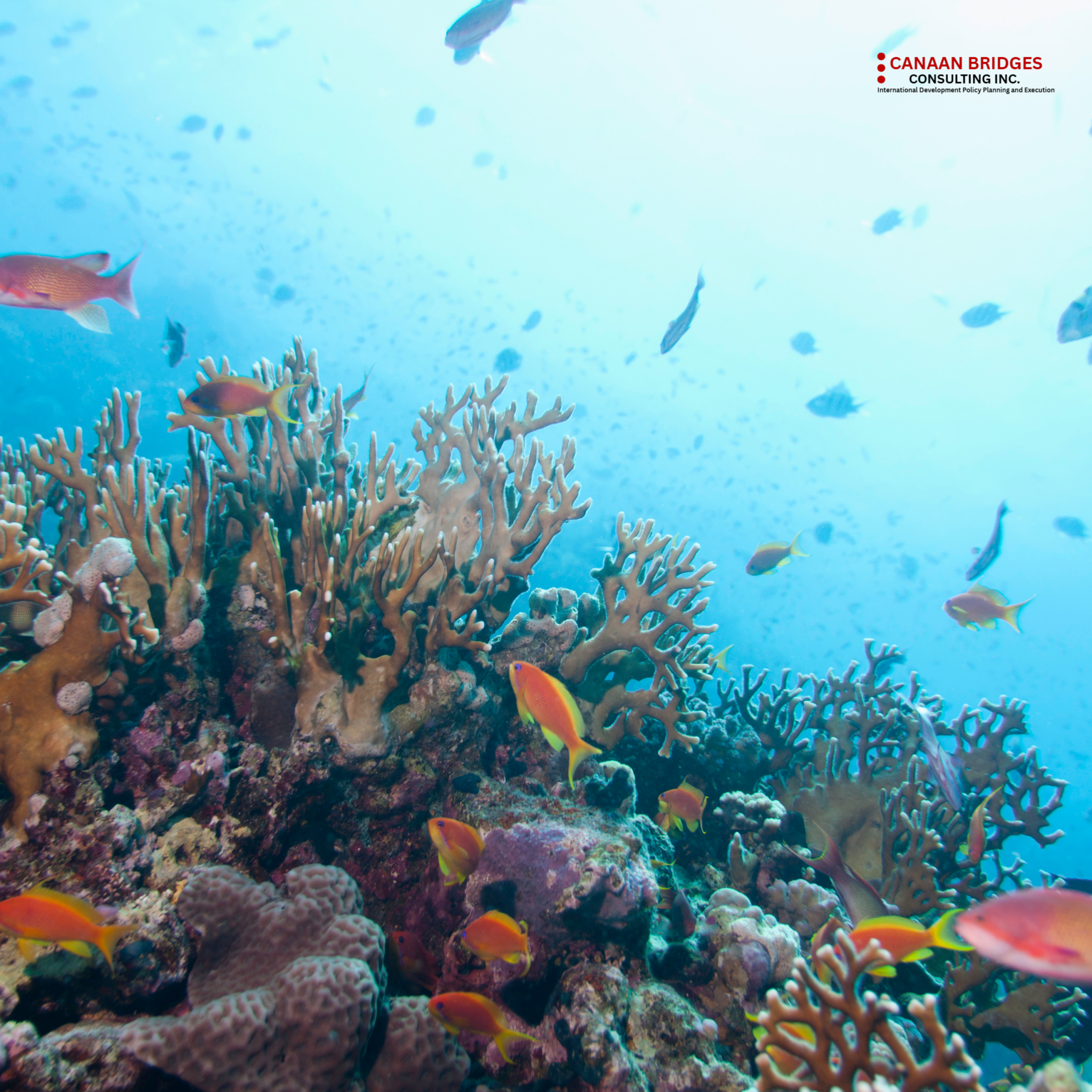
MPAs exist to allow ecosystem recovery, biodiversity protection, the “spillover effect,” climate resilience and livelihood and cultural preservation. Many human activities have taken a toll on marine life and ecosystems. After decades of overfishing and pollution, MPAs allow ocean species a chance to recover. MPAs protect reef habitat, which helps protect against storms and coastal erosion and increases the ocean’s capacity to absorb pollutants.
Species within an MPA tend to grow in abundance, which then often spills into the surrounding waters, causing a spillover effect. This then boosts catches for fishers working in the nearby areas. This, in turn, helps protect stocks and reduces the likelihood of fishery collapse.
Cross-sectoral Impact
MPAs also help ocean tourism businesses survive, as people tend to flock to beautiful ecosystems and abundant marine life. Businesses near MPAs can help ensure that these ecosystems continue to attract visitors for years to come. Towns and cities near MPAs can benefit from local economic opportunities as tourists visit the area. MPAs also allow ecologists to study marine life within an MPA and compare it to unprotected areas that may have been lost due to human activities.
These studies help ecologists understand the area and possibly rebuild the ecosystem in the future. Overall, MPAs are a vital and versatile tool for reviving our ocean. When we research, plan, manage, and resource MPAs appropriately, both humans and nature benefit.
Conclusion
MPAs are a crucial aspect of a vibrant and sustainable blue economy. With effective strategy and governance, its impact on ocean sustainability, the environment and blue economic sectors is diverse.